As winter begins to loosen its grip and the first signs of spring appear, February is a key month for preparing gardens for the growing season ahead. Tackling a few essential jobs now can help plants establish, encourage early colour and set outdoor spaces up for success in the months to come.
Horticultural experts at Cherry Lane Garden Centres have rounded up the top gardening tasks for February, focusing on late-winter maintenance and early spring preparation. From refreshing containers and preparing soil to encouraging new growth, these simple steps help gardeners make the most of the changing season.
Here are the top jobs for the garden this February:

- Cut Back Ornamental Grasses
“February is the ideal time to cut back ornamental grasses before new growth begins. Trim old stems down to a few inches above ground level to allow fresh shoots to emerge cleanly.
“Leaving it too late risks damaging new growth, so tackling this job now helps keep grasses healthy, tidy and full of life once spring arrives.”
- Plant ‘In the Green’ snowdrops (With Leaves!)
“While dry snowdrop bulbs can be planted in autumn, they don’t always establish successfully. February is an ideal time to plant snowdrops ‘in the green’, which means replanting them just after flowering while the foliage is still intact.
“This method gives the plants time to establish naturally and often results in stronger growth and more reliable displays later in the year.”
- Deadhead Winter pansies and violas
“Deadheading winter pansies and violas is a simple but effective way to keep displays looking their best. Removing spent blooms stops the plant from putting energy into seed production and instead encourages it to produce more flowers, extending the flowering period well into spring.
“This can also revive pansies and violas that appear dormant after winter and can help plants from becoming untidy, as regular deadheading keeps plants compact, healthy and full of colour for longer.”

- Remove old stems on herbaceous perennials
“Tidying up herbaceous perennials by removing old, dead stems helps improve air circulation and makes way for new growth. This also reduces the risk of pests and fungal infections lingering from winter, giving plants a clean, healthy start as temperatures begin to rise.”
- Pot up containers with hardy spring bedding such as primroses and forget-me-nots
“February is a great time to refresh containers with hardy spring bedding such as primroses and forget-me-nots. These plants can cope well with cooler temperatures and instantly brighten patios, doorways and balconies, offering early colour while you wait for spring planting to begin.”

- 6 Continue to plant trees and shrubs
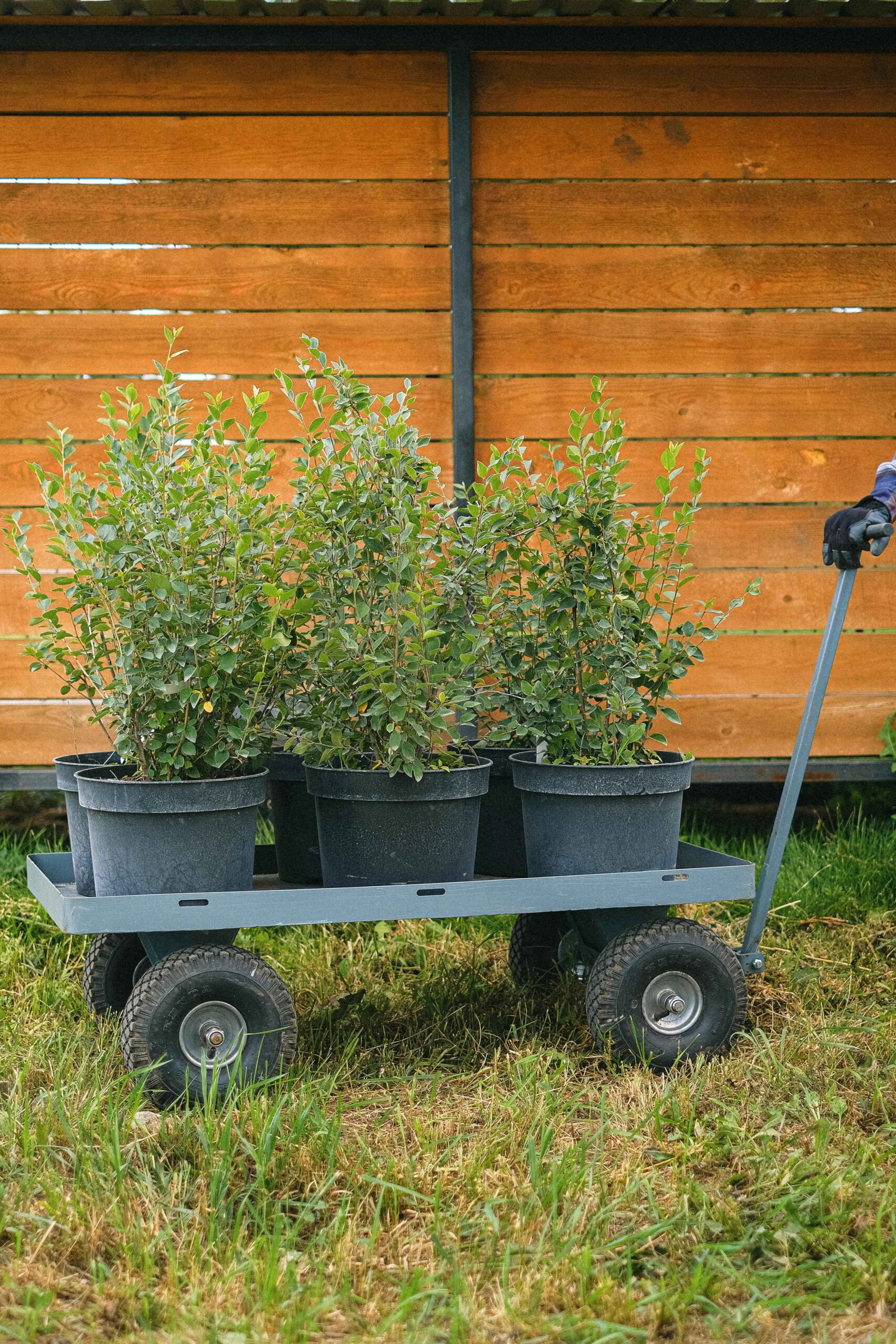
“As long as the ground isn’t frozen or waterlogged, February remains an excellent time to plant trees and shrubs. Planting now allows roots to establish before the growing season starts, helping plants settle in and thrive once warmer weather arrives.”
- Prepare seedbeds for spring vegetable sowings
“Preparing seedbeds early makes spring vegetable sowing much easier. Clear weeds, break up compacted soil and add organic matter such as compost to improve structure and drainage. A well-prepared bed gives seeds the best chance of strong, healthy fertilisation when sowing begins.”
- Chit the first early potato tubers such as ‘Foremost’ by standing them in trays
Chitting first early potato varieties such as ‘Foremost’ helps give them a significant head start. Place tubers in trays with the eyes facing upwards and keep them in a cool, frost-free place. Strong shoots will develop, leading to earlier planting and a better harvest later in the season.”
For all your gardening needs and to find your nearest Cherry Lane Garden Centre, please use the store locator here.
All comments from Amber Tunney, Horticultural specialist at Cherry Lane Garden Centres.